Why Independent Scope Matters
For educational facilities, independent scope input isn't a formality — it's the procurement process working properly.
University and teaching glasshouses operate under procurement governance that most contractors treat as an obstacle. For BM Greenhouses, it's the reason the model exists.
Institutional procurement increasingly calls for independent technical input before a contractor is appointed — not as box-ticking, but as genuine governance. A review that defines the real problem and the right scope before procurement opens isn't an extra cost; it's what the process is meant to produce in the first place. The Glasshouse Review & Options Report is exactly that, arrived at by doing the diagnostic work properly.
The alternative — letting contractors define the scope through the tender itself — produces a brief shaped by delivery preferences rather than operational need. For a facility planning a significant upgrade, or chasing a persistent fault, the review that comes before procurement is the single most useful intervention available.
What educational facilities typically need
- Environmental consistency across bays and programmes, without disrupting active teaching or research.
- Maintenance scheduled around term and programme requirements, not contractor availability.
- Independent technical documentation that meets governance and procurement requirements before appointment — produced as part of proper diagnostic work, not as a separate exercise.
- Upgrade scopes defined before procurement opens, by someone who already knows the facility.
- A single point of technical continuity across advice, delivery and maintenance, so decisions made at specification are still understood at handover.
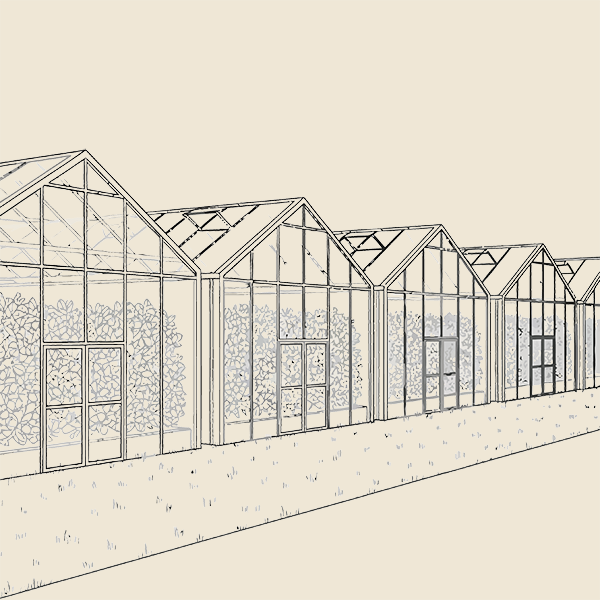
This is the kind of facility Byron has worked on directly — including the educational glasshouse at Merrist Wood.
Request a Conversation Arrange a Site Visit Send Drawings or Schedules
The first conversation costs nothing. If a site visit or structured review is needed, the scope and any cost are agreed before it proceeds.
Contact Us
BM Greenhouses
Cawley Priory, South Pallant,
Chichester, West Sussex, PO19 1SY